Radar #4 — The Harness Is the Audit Surface
The harness — not the model — is the governance surface now. What to audit, buy, and inherit risk from this quarter.
Eleven days, forty-three thinking pieces, one subject underneath nearly all of them. The model did not change this cycle — but behavior did. A buyer's due diligence found a vendor's agent drifting even though the backing model was pinned. A supply-chain attack compromised a plugin configuration, not a weight file. Apple started gatekeeping AI-generated apps by reviewing how they were assembled, not what they predict. The signal is no longer the model. The signal is the harness — the scaffolding of prompts, tools, memory, permissions, and workflow wrapped around the model — and it is mutating on a different clock than vendor release notes suggest.
The harness is where the governance surface now lives. It is where operators are shipping the measurement vendors won't. It is where economics are fracturing — flat-fee billing collapsing under agent loops, enterprises repricing AI as discretionary, credit-governance from the 1970s emerging as the only working template for agent spend. It is where the moat lives, because capability is a commodity and scaffolding is not. And it is the thing that travels — the same harness discipline that emerged in engineering is now re-appearing in marketing operations, product analytics, and at the infrastructure layer of the agent web itself.
If you are deciding what to buy, build, renew, or audit this quarter, the question is not which model. The question is: whose harness is wrapped around it, and who can version that harness when something breaks?
Forty-three thinking pieces in eleven days, one subject underneath nearly all of them. The model did not change this cycle. Behavior did. Here is the pattern — and what it demands.
The Harness Is the Audit Surface
Four independent moves closed on the same conclusion: the model is stable, the harness is the variable. A buyer-side audit caught a vendor’s agent drifting with the model pinned — prompts, tool list, and permission envelope had changed underneath. A Vercel plugin compromise injected consent through configuration, not weights. The App Store became the first volume chokepoint for AI-generated apps, reviewing assembly rather than output. And OpenAI’s Agents SDK made the split architectural, formalizing the boundary that Docker microVMs place one layer lower: the bounding box comes from infrastructure, not from a prompt.
If your contract pins the model and ignores the harness, it is already stale. Harness drift is the primary governance failure mode now, and almost no AI contract has language for it.
Scaffolding Is the Moat. Models Are Commodity.
When capability is a commodity, durability lives one layer up. Scaffolding is the moat because every team on a frontier model gets the same ceiling — the difference is what wraps it. Your harness, your memory makes the corollary concrete: the moat you rent from a vendor is the moat that vendor owns. The MCP 2026 three-layer stack formalized prompts, tools, and memory as a portable surface.
Treat harness portability the way you treat data portability. If you cannot extract the orchestration, memory, and tool definitions, you are in a walled garden — even if the model at the bottom is open-weight.
Operators Are Building the Measurement Vendors Won’t Ship
Five separate moves — engineers, APM vendors, product teams, a hyperscaler — each built harness-level observability because no model vendor ships it. Probabilistic engineering became observable as teams shipped their own traces of non-deterministic behavior. Verification became doctrine outside vendor docs. Datadog turned governance into a product roadmap. Trust became the UX when raw speed stopped selling. And Google made human review a UI toggle, exposing harness control as a first-class product feature.
One product category is forming: harness behavior measurement. If you are not buying it or building it, you are choosing to operate blind.
The Harness Is Where Economics Fracture
In a single week, the pricing model, the consumption pattern, and the accountability model broke — at the harness layer. Flat-fee subscriptions cannot cover agent loops because the harness decides how many loops run. AI economics fractured on three axes: unit economics, pricing, and accountability diverged. Enterprises started repricing AI as discretionary — the $7 Doritos moment. And the 1970s credit-governance template emerged as the only working playbook for agent spend.
The economic unit is shifting from seats and tokens to harness transactions. Budget models built before this cycle are already mispriced.
The Harness Travels. The Review Discipline Doesn’t.
Four moves show the same harness controls — orchestration, permissioning, measurement, audit — re-appearing outside engineering. Marketing teams are becoming governance teams because the autonomous campaign stack mirrors the autonomous code agent stack. Machine-readability is the CMO’s new KPI. Netflix’s live-ops playbook is now the operating reference for agent fleets. And Cloudflare shipped an operating system for the agent web — the harness, at internet scale, as a platform.
This is the supply-side mirror of a demand-side pattern earlier editions surfaced. The same harness tooling is now shippable into marketing, finance, and legal. Capabilities cross the line effortlessly. Review discipline does not travel with them.
So What
If you are acquiring, renewing, or embedding AI software this quarter, stop auditing the model and audit the harness. The prompts, permissions, tools, memory, orchestration, and UI controls are the governance surface now — and they change silently without any model changing. If your vendor contract names a model but not a harness version, you are signing a blank check.
Three moves this quarter. One: add harness-version and tool-list to every AI vendor SLA. Two: give your internal agent platforms a measurable scoreboard — human and AI on the same scale — before adding more agents. Three: route your first non-engineering harness rollout through the same review discipline you used for code agents. The rest is noise.
This Edition Synthesizes
- When the Harness Changes and the Model Does Not
- Shadow AI Is the New Supply Chain
- The Bounding Box Comes From Infrastructure
- Capability Is a Commodity. Scaffolding Is the Moat.
- Your Harness, Your Memory
- The App Store Became the First Governance Chokepoint
- OpenAI’s Agents SDK Learned to Run
- Your Agent Permission Model Works 40% of the Time
- Probabilistic Engineering Became Observable
- Verification Became Doctrine
- Datadog Turned Governance Into a Product Roadmap
- Trust Is the UX
- The Toggle Is the Point
- The Three-Layer Connectivity Stack
- The $7 Doritos Moment
- AI Economics Just Fractured on Three Axes
- Cost Governance in the Flat-Fee Era
- Credit Governance Is the Template
- Your Marketing Team Just Became a Governance Team
- Machine-Readability Is the CMO’s New KPI
- Netflix’s Live-Ops Playbook
- Cloudflare Shipped the OS for the Agent Web
Questions on what these signals mean for your organization? contact@victorinollc.com
This Edition's Reads
When the Harness Changes and the Model Does Not
A buyer audit caught a vendor's agent drifting while the backing model stayed pinned. The harness — the prompts, tools, permissions, and workflow around the model — is where governance now breaks. And almost no AI contract names the harness version in scope.
Read analysis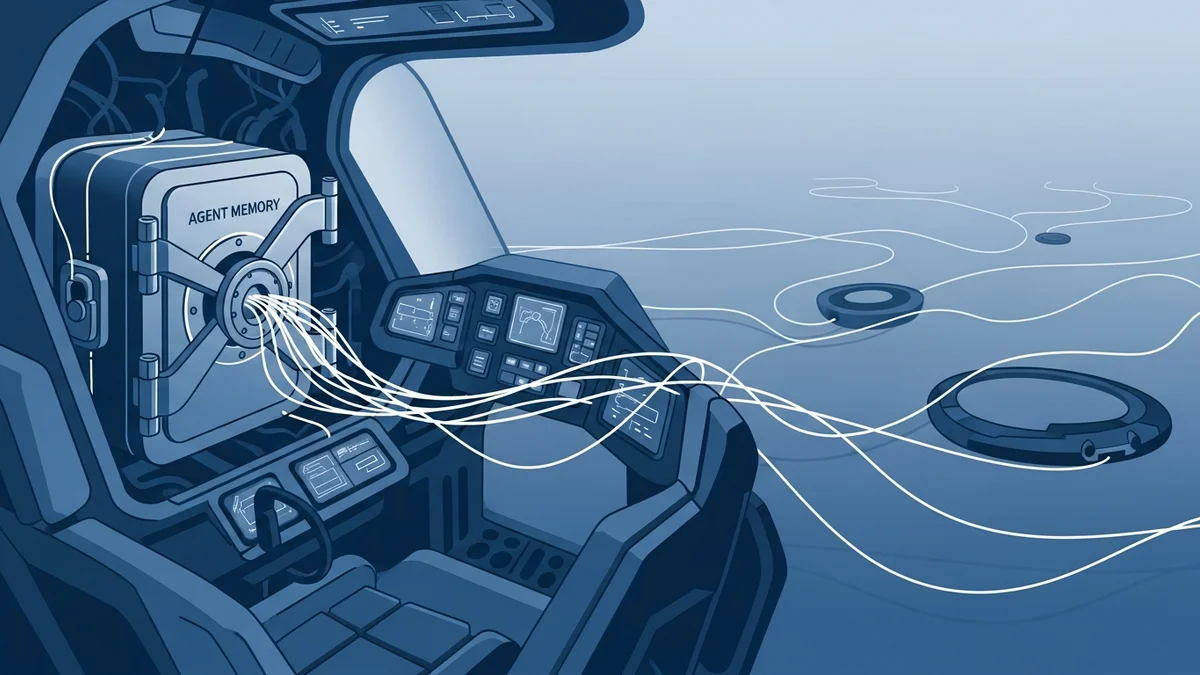
Your Harness, Your Memory — And the Moat You Can't Take With You
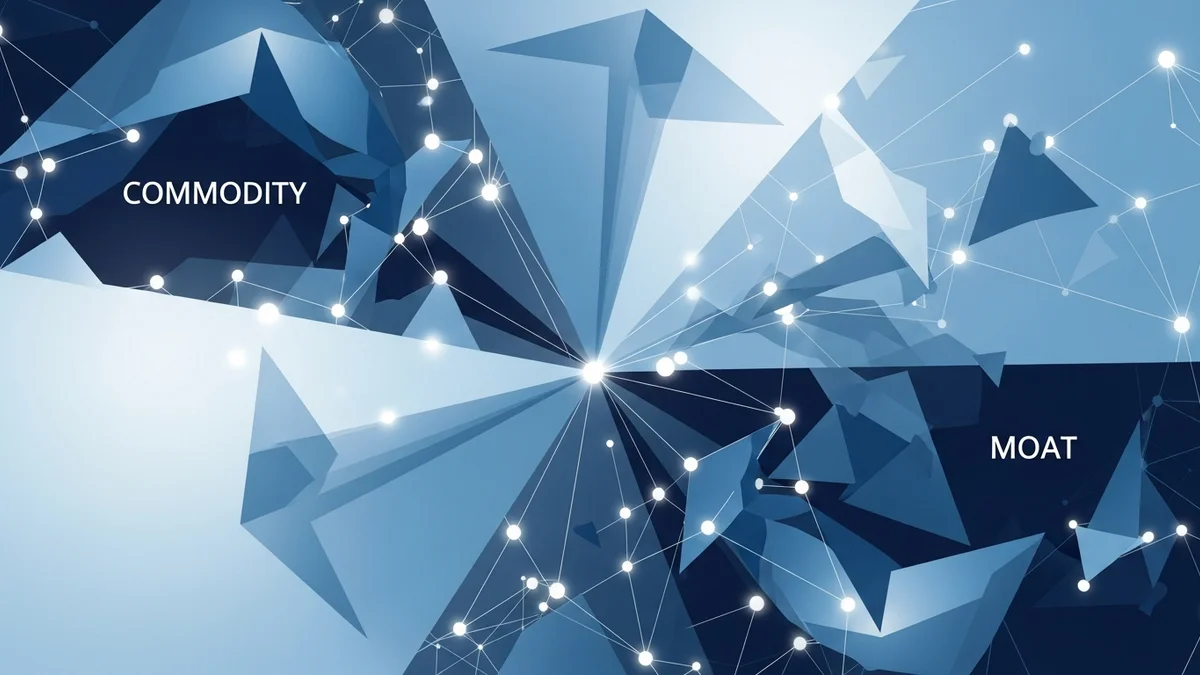
Capability Is a Commodity. Scaffolding Is the Moat.

The Bounding Box Comes From Infrastructure, Not From a Prompt
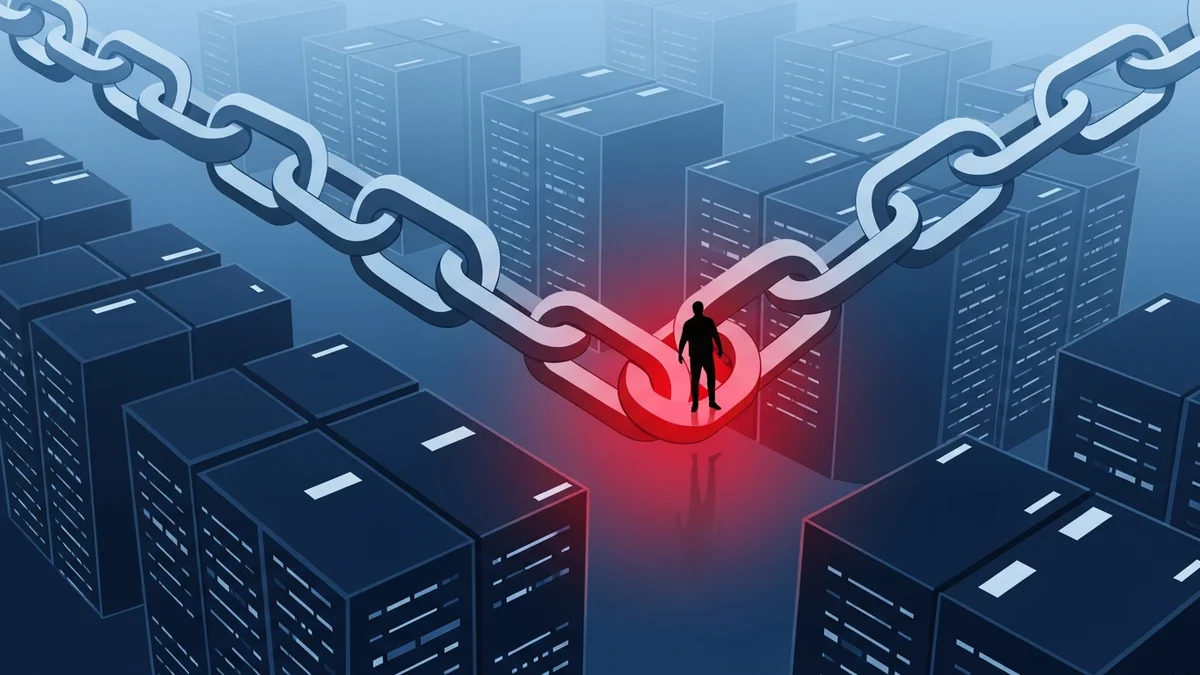
Shadow AI Is the New Supply Chain. Vercel Just Proved It.
The Week Probabilistic Engineering Became Observable
Teams started shipping their own traces of non-deterministic AI behavior — probabilistic engineering moved from a theoretical discipline to an observable one.
AI Control ProblemThe Week Verification Became Doctrine
Verification-first engineering emerged as doctrine outside vendor documentation — a direct response to harness opacity.
Operating AIDatadog Just Turned Governance Into a Product Roadmap
Datadog turned governance into a product roadmap, naming the category that APM incumbents saw forming in the harness layer.
Operating AITrust Is the UX
Product teams are treating confidence intervals and deliberate latency as UX surfaces — trust signals sell where raw speed no longer does.
Governed ImplementationYour Agent Permission Model Works 40% of the Time
Agent permission envelopes are failing 60% of the time in production — the harness control surface is measurable, and it is broken.
Governed ImplementationOpenAI's Agents SDK Learned to Run. It Still Cannot Be Governed.
OpenAI's Agents SDK formalized the split between harness and compute — and made clear the governance hooks live on the harness side.
Operating AIThe Toggle Is the Point: Google Made Human Review a UI Element
Google exposed human review as a UI toggle in Workspace AI — the harness control surface is becoming a first-class product feature.
Engineering NotesThe Three-Layer Connectivity Stack Just Became Official
The MCP 2026 spec formalized the three-layer harness — prompts, tools, memory — as a surveyable, portable stack.
AI Control ProblemThe App Store Became the First Governance Chokepoint for AI-Generated Software
Apple started gating AI-generated apps at volume, reviewing how the harness assembles them rather than what the model predicts.
AI Control ProblemThe $7 Doritos Moment: Enterprises Are Repricing AI as Discretionary
Enterprises are quietly moving AI line items from must-have to discretionary during procurement review — the $7 Doritos moment arrives.
Operating AIAI Economics Just Fractured on Three Axes in One Week
Unit economics, pricing models, and accountability structures diverged simultaneously this cycle — the fracture happened at the harness layer.
Operating AICost Governance in the Flat-Fee Era
Flat-fee subscription models are buckling under agent loops — three-layer cost governance is the only model that survives the transition.
Operating AICredit Governance Is the Template for AI Agent Spend
1970s credit-governance primitives — declines, spend limits, fraud scoring — are the only playbook that fits agent spend patterns.
Operating AIYour Marketing Team Just Became a Governance Team
Marketing teams are becoming governance teams because the autonomous campaign stack has the same shape as the autonomous code agent stack.
Operating AIMachine-Readability Is the CMO's New KPI
CMO KPIs are shifting toward machine-readability — the audit discipline marketing resisted is now what keeps agents on track.
Operating AIWhat Netflix's Live-Ops Playbook Teaches About Operating Agent Fleets
Netflix's live-ops playbook is the operating reference for running agent fleets — the same pattern transported from streaming to AI.
Operating AICloudflare Just Shipped the Operating System for the Agent Web
Cloudflare shipped a harness operating system for the agent web — orchestration, identity, and audit as internet-scale infrastructure.
So What
Deep Dives Referenced
- 01 When the Harness Changes and the Model Does Not
- 02 Your Harness, Your Memory — And the Moat You Can't Take With You
- 03 Capability Is a Commodity. Scaffolding Is the Moat.
- 04 The Bounding Box Comes From Infrastructure, Not From a Prompt
- 05 Shadow AI Is the New Supply Chain. Vercel Just Proved It.
- 06 The Week Probabilistic Engineering Became Observable
- 07 The Week Verification Became Doctrine
- 08 Datadog Just Turned Governance Into a Product Roadmap
- 09 Trust Is the UX
- 10 Your Agent Permission Model Works 40% of the Time
- 11 OpenAI's Agents SDK Learned to Run. It Still Cannot Be Governed.
- 12 The Toggle Is the Point: Google Just Made Human Review a UI Element
- 13 The Three-Layer Connectivity Stack Just Became Official
- 14 The App Store Became the First Governance Chokepoint for AI-Generated Software
- 15 The $7 Doritos Moment: Enterprises Are Repricing AI as Discretionary
- 16 AI Economics Just Fractured on Three Axes in One Week
- 17 Cost Governance in the Flat-Fee Era: The 3-Layer Framework You Should Have Shipped Yesterday
- 18 Credit Governance Is the Template for AI Agent Spend
- 19 Your Marketing Team Just Became a Governance Team
- 20 Machine-Readability Is the CMO's New KPI
- 21 What Netflix's Live-Ops Playbook Teaches About Operating Agent Fleets
- 22 Cloudflare Just Shipped the Operating System for the Agent Web
Get The Radar in your inbox every week.
Get in Touch